Contemporary Western art occupies a unique space in modern art history, reflecting the complexities and diversities of our time. As we delve into this vibrant artistic landscape, we uncover the intricate layers that define contemporary practices. This exploration not only highlights the evolution of art but also emphasizes its relevance in addressing the societal challenges we face today.
Historical Context
Evolution from Modernism to Contemporary Art
The journey from modernism to contemporary art is a fascinating one, marked by significant transitions and key movements. Modernism, with its roots in the late 19th and early 20th centuries, laid the groundwork for contemporary practices. Artists like Pablo Picasso and Marcel Duchamp challenged traditional notions of art, paving the way for new expressions. The shift to postmodernism in the late 20th century further allowed artists to explore diverse styles and mediums, breaking free from conventions.
Major Events Shaping Western Art
Throughout the decades, major exhibitions and cultural shifts have significantly influenced the trajectory of contemporary Western art. Events such as the Venice Biennale and Documenta have provided platforms for artists to showcase their work and engage with global audiences. These gatherings not only celebrate artistic innovation but also provoke dialogue about pressing issues, reflecting the ever-changing landscape of society.
Key Characteristics of Contemporary Western Art
Diversity of Mediums
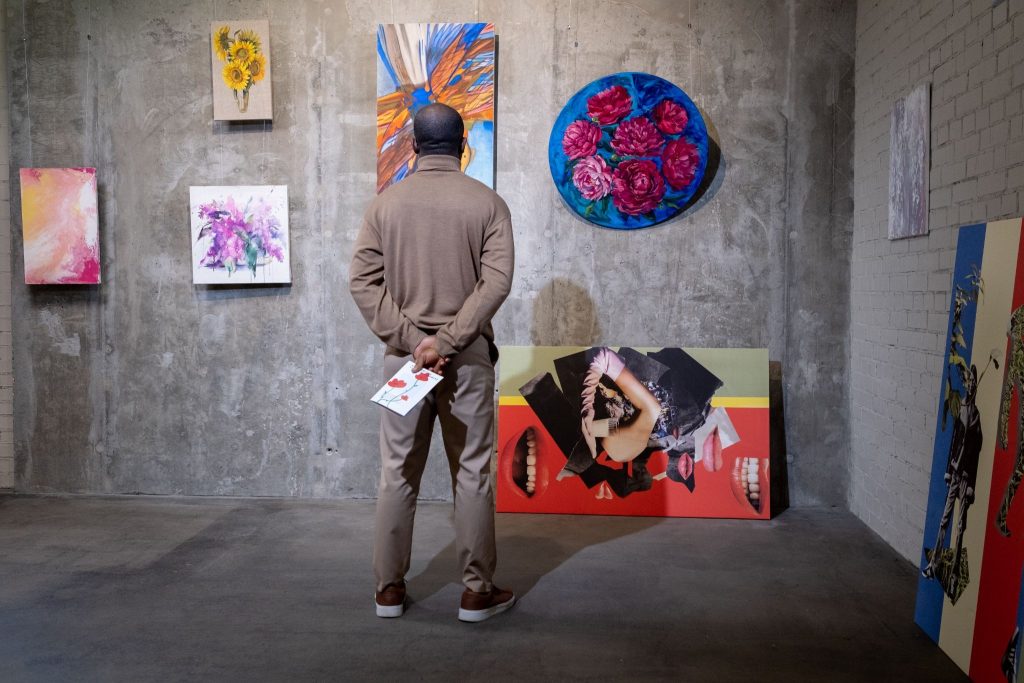
One of the hallmarks of contemporary Western art is its remarkable diversity in mediums. Traditional forms such as painting and sculpture coexist with digital art and installation pieces, reflecting the technological advancements of our time. Artists are increasingly utilizing technology as a tool for creation, experimenting with virtual reality, augmented reality, and interactive installations. This fusion of mediums offers viewers a multifaceted experience, challenging their perceptions of art.
Themes and Subjects
Contemporary Western art often grapples with profound themes, including social issues, political commentary, and identity exploration. Artists are using their platforms to address topics such as climate change, systemic inequality, and cultural identity. This engagement not only fosters awareness but also encourages viewers to reflect on their roles within society. The emotional resonance of these themes is what makes contemporary art so impactful and relevant.
Influential Artists and Their Impact
Pioneers of Contemporary Western Art
Several key figures have emerged as pioneers in contemporary Western art, each contributing unique perspectives and styles. Artists like Jeff Koons and Damien Hirst have pushed boundaries, challenging conventional notions of beauty and value. Their work invites critical dialogue about consumerism and the art market, prompting viewers to reconsider their assumptions about art.
Emerging Voices in the Art Scene
As the art world continues to evolve, new voices are emerging, bringing fresh perspectives and innovative practices. Artists such as Njideka Akunyili Crosby and Tauba Auerbach are redefining contemporary art narratives, incorporating elements of their cultural backgrounds and personal experiences. Their work not only enriches the dialogue surrounding contemporary art but also highlights the importance of inclusivity in the artistic community.
The Role of Institutions and Galleries
Major Art Institutions in the West
Art institutions play a crucial role in shaping the landscape of contemporary Western art. Renowned galleries and museums such as The Museum of Modern Art and the Tate Modern provide platforms for artists to display their work, fostering creativity and innovation. These institutions not only support established artists but also champion emerging talent, ensuring a vibrant and diverse art scene.
The Impact of Art Fairs and Biennales
Art fairs and biennales have become essential in the global art market, offering artists unprecedented exposure and opportunities. Events like Art Basel and the Whitney Biennial serve as critical touchpoints for collectors, curators, and artists alike. They facilitate connections and collaborations, further blurring the lines between different artistic practices and cultural contexts.
Contemporary Western Art in a Global Context
Interaction with Non-Western Art
In our increasingly interconnected world, contemporary Western art is profoundly influenced by non-Western traditions and philosophies. Artists are drawing inspiration from a myriad of cultural backgrounds, leading to a rich tapestry of global artistic expression. This cross-cultural dialogue not only broadens the horizons of contemporary art but also fosters greater understanding and appreciation among diverse audiences.
The Role of Art in Social Movements
Art has always been a powerful tool for social change, and contemporary Western art is no exception. Many artists are using their work to address social injustices and inspire activism. From street art that critiques political systems to installations that provoke conversation about human rights, contemporary art serves as a catalyst for social movements. Case studies of impactful works illustrate how art can mobilize communities and spark meaningful change.
Conclusion
As we navigate the complexities of contemporary Western art, we uncover a rich landscape defined by diversity, innovation, and social relevance. The evolution of modern art history has shaped the characteristics and themes that resonate within this artistic realm. Looking ahead, the future of contemporary Western art will undoubtedly continue to evolve, reflecting the changing dynamics of our world while challenging us to engage with pressing issues.
FAQs
What is contemporary Western art?
Contemporary Western art refers to art produced in the Western world since the late 20th century, characterized by its diverse styles and themes.
How does contemporary Western art differ from modern art?
While modern art primarily focuses on the innovations of the late 19th and early 20th centuries, contemporary art emphasizes current issues and a broader range of mediums.
Who are some of the most influential contemporary Western artists?
Influential contemporary artists include Jeff Koons, Damien Hirst, and emerging artists like Njideka Akunyili Crosby.
What themes are prevalent in contemporary Western art?
Common themes include social issues, identity exploration, and political commentary, reflecting the complex landscape of modern society.