
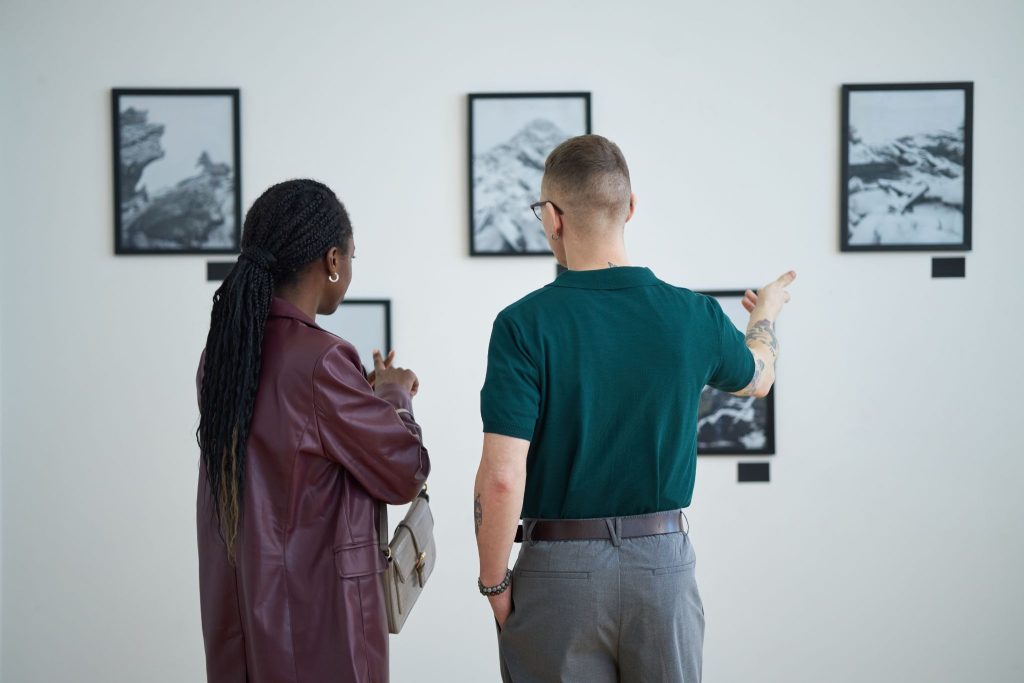
Art gallery exhibitions are more than visual displays. They are carefully constructed experiences that communicate ideas, provoke emotion, and shape cultural dialogue. In the world of contemporary art, exhibitions are not random collections of works placed on walls. They are curated narratives designed to guide viewers through a specific perspective or theme. Understanding how art gallery exhibitions are organized reveals a fascinating intersection of creativity, logistics, and strategic thinking. For artists, curators, and audiences alike, exhibitions serve as a bridge between artistic intention and public interpretation, transforming individual artworks into a cohesive story that resonates on multiple levels.
The Concept Behind Contemporary Exhibitions
Every exhibition begins with an idea. This idea forms the backbone of the entire show.
It could be a thematic exploration, a response to social issues, or a showcase of a particular artist’s evolution. The concept defines what the exhibition wants to communicate.
Without a clear concept, even the most impressive artworks can feel disconnected.
The Role of the Curator in Shaping the Narrative
Translating Vision into Experience
Curators play a central role in organizing exhibitions. They are responsible for selecting artworks, defining themes, and shaping how the audience engages with the display.
Renowned figures like Hans Ulrich Obrist have demonstrated how curatorial vision can transform exhibitions into intellectual experiences.
Balancing Artistic Integrity and Audience Engagement
Curators must balance the artist’s intent with the audience’s understanding. This requires sensitivity and insight.
The goal is to create a narrative that is both authentic and accessible.
Selecting Artworks for Cohesion and Impact
Choosing which artworks to include is a critical step. It is not about selecting the best pieces individually but about how they interact collectively.
-
Works must align with the central theme
-
Visual and conceptual balance is essential
-
Diversity in medium and perspective adds depth
This selection process shapes the overall tone of the exhibition.
Designing the Exhibition Space
Spatial Flow and Visitor Experience
The physical layout of an exhibition influences how it is perceived. Movement through the space should feel natural and intuitive.
Visitors should be guided from one piece to another in a way that enhances understanding.
Lighting, Placement, and Atmosphere
Lighting plays a crucial role in highlighting artworks. Placement determines visibility and interaction.
Together, these elements create an atmosphere that supports the exhibition’s theme.
Logistics Behind the Scenes
Organizing an exhibition involves extensive planning beyond the creative aspects.
Transportation, installation, insurance, and security must all be managed carefully.
Each detail contributes to the smooth execution of the show.
Collaboration Between Artists and Galleries
Communication and Alignment
Artists and galleries must work closely to ensure that the exhibition reflects the intended vision.
Clear communication helps avoid misunderstandings and ensures consistency.
Negotiating Practical Considerations
Contracts, timelines, and budgets are part of the process. These practical aspects support the creative goals.
Successful collaboration depends on mutual trust and professionalism.
Audience Engagement and Interpretation
Art exhibitions are designed for audiences. Their experience is a key consideration.
Interpretive materials such as labels, catalogs, and guided tours help visitors understand the artworks.
Engagement transforms passive viewing into active exploration.
Marketing and Promotion Strategies
Building Anticipation
Promotion is essential for attracting visitors. Social media, press releases, and previews create excitement.
Expanding Reach
Collaborations with institutions and influencers help broaden the audience.
Effective marketing ensures that the exhibition reaches its intended viewers.
The Influence of Cultural Context
Contemporary exhibitions often reflect current social and cultural issues.
They respond to global conversations and encourage critical thinking.
Understanding this context enhances the relevance and impact of the exhibition.
Digital Integration in Modern Exhibitions
Virtual Exhibitions and Online Access
Technology has expanded how exhibitions are experienced. Virtual tours allow global audiences to engage with art.
Interactive Elements
Digital tools create interactive experiences, making exhibitions more dynamic and immersive.
These innovations are reshaping the traditional gallery model.
Challenges in Organizing Contemporary Shows
Organizing exhibitions comes with challenges. Budget constraints, time limitations, and logistical complexities can impact planning.
Balancing artistic vision with practical realities requires adaptability and problem-solving skills.
These challenges are part of the creative process.
Insights from Industry Professionals
Experts emphasize the importance of storytelling. A strong narrative connects artworks and engages audiences.
They also highlight the need for flexibility. Unexpected changes are common, and adaptability is essential.
Another key insight is collaboration. Successful exhibitions rely on teamwork across multiple roles.
Emotional and Intellectual Impact on Viewers
Art exhibitions are powerful experiences. They can evoke emotion, inspire thought, and challenge perceptions.
This impact is the result of careful planning and thoughtful curation.
It is what makes exhibitions memorable.
Evolution of Exhibition Practices
Contemporary exhibitions continue to evolve. New technologies, changing audience expectations, and global influences are shaping their future.
This evolution keeps the art world dynamic and relevant.
Conclusion
Art gallery exhibitions are complex, multi-layered projects that combine creativity, strategy, and collaboration. They transform individual artworks into meaningful experiences that engage audiences on emotional and intellectual levels.
By understanding how exhibitions are organized, one gains a deeper appreciation for the effort and vision behind them. These shows are not just displays. They are stories brought to life, inviting viewers to explore, question, and connect.
FAQs
What is the main purpose of an art gallery exhibition?
To present artworks in a curated way that communicates a theme or idea and engages audiences.
Who organizes art exhibitions?
Curators, galleries, and artists collaborate to plan and execute exhibitions.
How long does it take to organize an exhibition?
It can take several months to years, depending on the scale and complexity.