
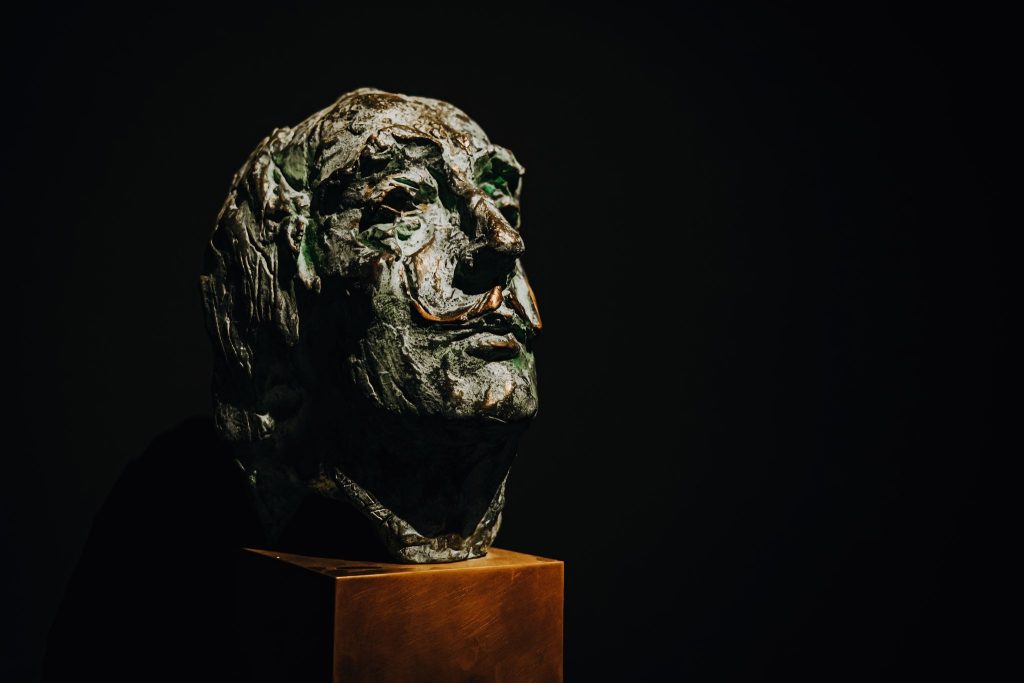
Bronze gallery sculptures occupy a unique position in the art world, where ancient craftsmanship meets contemporary imagination. For centuries, bronze has been a preferred medium for sculptors because of its durability, versatility, and ability to capture intricate detail. Today, this material continues to thrive within modern galleries, not as a relic of the past but as a living, evolving form of artistic expression. Bronze gallery sculptures are no longer limited to classical figures or historical monuments. They now embody abstract ideas, experimental forms, and deeply personal narratives. This transformation reflects a broader shift in how artists approach materials, blending tradition with innovation to create works that resonate with contemporary audiences while still honoring time-tested techniques.
The Historical Foundation of Bronze Sculpture
Bronze has been used in sculpture for thousands of years, forming the backbone of artistic traditions across cultures.
Ancient civilizations valued bronze for its strength and ability to hold fine detail. These qualities made it ideal for both functional objects and artistic creations.
This historical foundation continues to influence modern sculptural practices.
Why Bronze Remains Relevant in Contemporary Art
Bronze persists not out of habit but because it offers unique advantages that few materials can match.
Its durability ensures longevity, allowing artworks to withstand time and environmental conditions. Its surface can be polished, textured, or patinated to achieve a wide range of visual effects.
Artists today use bronze not just for its technical benefits but for its symbolic weight, connecting past and present.
The Casting Process: From Concept to Form
Lost-Wax Technique and Precision
One of the most widely used methods in bronze sculpture is the lost-wax casting process. This technique allows for exceptional detail and accuracy.
Artists first create a model, which is then used to form a mold. Molten bronze is poured into this mold to create the final piece.
Modern Adaptations in Casting
While traditional methods remain central, modern technology has introduced new tools and efficiencies.
Digital modeling and advanced casting techniques have expanded what is possible in bronze sculpture.
Artistic Styles in Bronze Gallery Sculptures
Bronze is no longer confined to classical realism. Contemporary artists explore a wide range of styles.
-
Abstract forms that challenge perception and invite interpretation
-
Figurative works that reinterpret the human form in modern contexts
-
Conceptual pieces that focus on ideas rather than physical representation
This diversity reflects the evolving nature of sculptural art.
Influential Sculptors Shaping the Medium
Artists such as Auguste Rodin and Henry Moore have redefined what bronze sculpture can achieve.
Their work bridges traditional craftsmanship with modern artistic vision, inspiring contemporary creators.
These influences continue to shape how bronze is used in galleries today.
The Role of Galleries in Showcasing Bronze Works
Galleries play a crucial role in presenting bronze sculptures to the public.
They curate exhibitions that highlight the material’s versatility and the artist’s vision.
The gallery environment also influences how sculptures are perceived, from lighting to spatial arrangement.
Spatial Interaction and Viewer Experience
Sculptures as Three-Dimensional Narratives
Unlike paintings, sculptures occupy space. They invite viewers to move around them and engage from multiple angles.
This interaction creates a dynamic experience that evolves with perspective.
Placement and Environment
The positioning of a sculpture within a gallery affects its impact. Open spaces allow for full appreciation, while confined settings can create intimacy.
These decisions shape the viewer’s emotional response.
The Emotional Language of Bronze
Bronze has a unique ability to convey emotion through form, texture, and weight.
Its physical presence creates a sense of permanence and gravity. At the same time, its surface can express movement, tension, or calm.
This duality makes bronze a powerful medium for storytelling.
Market Value and Collectibility
Bronze gallery sculptures are highly valued in the art market.
Their durability and historical significance contribute to their desirability. Limited editions and artist reputation further influence pricing.
Collectors often view bronze sculptures as both artistic and financial investments.
Conservation and Longevity
Preservation Techniques
Maintaining bronze sculptures requires proper care. Cleaning, waxing, and controlled environments help preserve their condition.
Aging and Patina
Over time, bronze develops a patina. This natural aging process can enhance the sculpture’s aesthetic and value.
Understanding this process is essential for collectors and galleries.
Challenges in Working with Bronze
Despite its advantages, bronze presents challenges.
The casting process can be complex and costly. Mistakes during casting may require starting over.
Additionally, the weight and scale of bronze sculptures can complicate transportation and installation.
These challenges require skill, planning, and resources.
Innovation in Modern Sculptural Practices
Contemporary artists are pushing the boundaries of bronze sculpture.
They combine bronze with other materials, experiment with scale, and explore new conceptual frameworks.
This innovation keeps the medium relevant and exciting.
Insights from Sculptors and Curators
Experts emphasize the importance of understanding both material and concept.
They highlight that successful bronze sculptures balance technical mastery with creative vision.
Another key insight is adaptability. Artists must evolve with changing trends while maintaining their unique voice.
The Cultural Significance of Bronze Sculptures
Bronze sculptures often reflect cultural values and societal themes.
They can commemorate history, challenge norms, or explore identity.
This cultural dimension adds depth and meaning to the medium.
The Future of Bronze in Art Galleries
Bronze continues to evolve alongside contemporary art practices.
New technologies and global influences are shaping its future. Artists are redefining what bronze can represent.
This ongoing evolution ensures that bronze remains a vital part of the art world.
Conclusion
Bronze gallery sculptures represent a powerful fusion of tradition and innovation. They carry the weight of history while embracing the possibilities of modern art.
Through their form, texture, and presence, they create experiences that are both timeless and contemporary.
For artists, collectors, and viewers, bronze sculptures offer a unique way to engage with art on a deeper level, making them an enduring and dynamic part of the artistic landscape.
FAQs
Why is bronze commonly used in sculpture?
Because it is durable, versatile, and capable of capturing fine details, making it ideal for long-lasting artworks.
Are bronze sculptures a good investment?
They can be, especially when created by established artists or produced in limited editions.
How are bronze sculptures maintained?
Regular cleaning, waxing, and proper environmental conditions help preserve their appearance and value.