
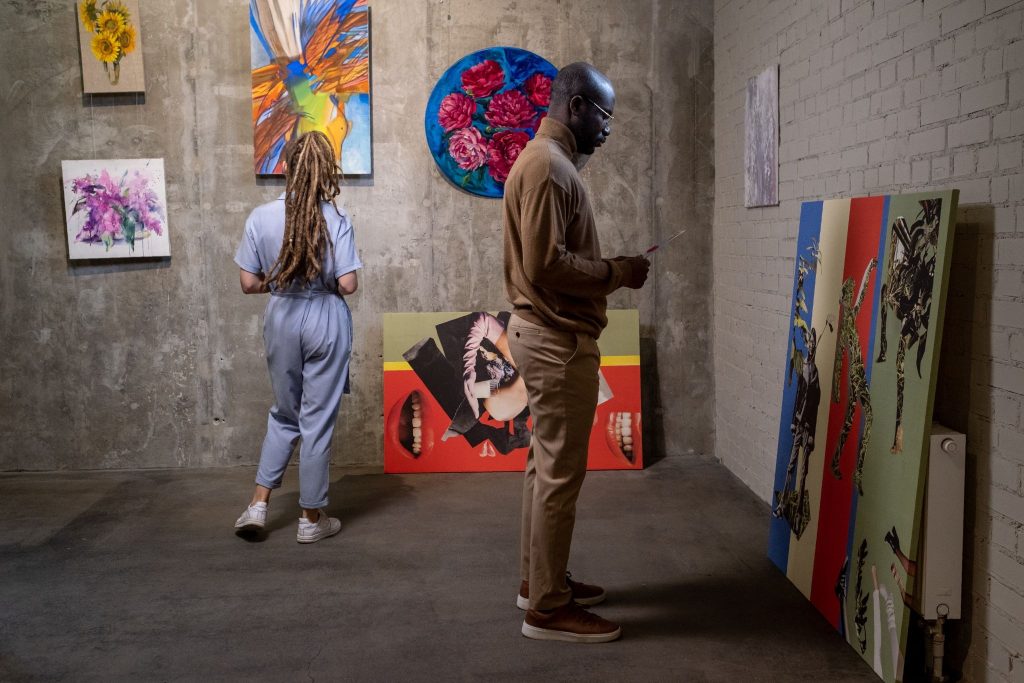
Contemporary art exhibitions serve as vibrant platforms where artists showcase their creativity and engage with audiences. These exhibitions play a crucial role in the art ecosystem, offering insights into the current cultural climate and reflecting societal changes. As we delve into the world of contemporary art exhibitions, we uncover their significance in fostering dialogue and understanding through visual expression.
The Evolution of Art Exhibitions
Historical Perspectives
The history of art exhibitions is rich and varied, marked by significant transitions that mirror the evolution of art itself. From the grand salons of the 19th century to the innovative showcases of today, exhibition practices have continuously adapted to changing artistic movements and societal contexts. The advent of technology has profoundly impacted how art is exhibited; digital tools have enabled new forms of expression and engagement, transforming traditional practices into dynamic experiences.
Changing Formats and Structures
The formats and structures of art exhibitions are evolving rapidly. While traditional gallery spaces remain vital, we are witnessing a remarkable rise in pop-up exhibitions and alternative venues that challenge conventional norms. Artists and curators are increasingly exploring temporary installations that engage directly with their surroundings. Additionally, the emergence of virtual and hybrid exhibitions has revolutionized access to art, allowing audiences worldwide to participate in experiences that were once geographically restricted.
Current Trends in Contemporary Art Exhibitions
Thematic Explorations
Contemporary art exhibitions often delve into thematic explorations that resonate with current social issues and activism. Artists are increasingly using their work to address pressing concerns such as inequality, identity, and climate change. These exhibitions not only showcase artistic talent but also provoke thought and inspire action. The integration of environmental themes into art is particularly noteworthy, as artists confront ecological challenges and advocate for a sustainable future through their creative practices.
Increasing Diversity and Representation
Another significant trend in contemporary art exhibitions is the emphasis on increasing diversity and representation. Galleries are recognizing the importance of spotlighting underrepresented artists, providing them with platforms to share their unique perspectives. This shift is a direct response to globalization, as cultural exchanges enrich the art world and foster a more inclusive dialogue. By showcasing a broad range of voices, contemporary exhibitions challenge established narratives and broaden our understanding of art’s impact on society.
The Role of Technology in Exhibitions
Digital Innovations
Technology is playing an increasingly vital role in contemporary art exhibitions, with digital innovations reshaping the way we experience art. Artists are leveraging augmented and virtual reality to create immersive environments that engage viewers on multiple levels. These technologies allow for interactive experiences, transforming passive observation into active participation. Online platforms have also emerged as essential tools for artists and curators, facilitating global access to artworks and expanding the reach of exhibitions beyond physical boundaries.
Social Media and Art Promotion
Social media has become a powerful force in promoting contemporary art exhibitions, influencing audience engagement and visibility. Artists and galleries utilize platforms like Instagram to share their work, connect with followers, and create buzz around upcoming shows. Influencers in the art world play a crucial role in amplifying voices and expanding audiences, helping to democratize access to art. This shift in how art is promoted reflects broader societal changes in communication and engagement, offering new opportunities for artists to connect with their communities.
The Future of Global Gallery Trends
Sustainability in Art Exhibitions
As the art world becomes increasingly aware of its environmental impact, sustainability is emerging as a key focus in contemporary art exhibitions. Galleries are adopting eco-friendly practices, from using sustainable materials in installations to reducing waste in their operations. This movement towards sustainable art is not just a trend but a necessary response to the urgent challenges posed by climate change. Artists are also engaging with sustainability through their work, exploring themes that advocate for ecological awareness and responsible practices in the art world.
Collaborative Exhibitions and Partnerships
The future of contemporary art exhibitions is also characterized by collaborative efforts and partnerships. We are seeing a rise in international collaborations that bring together artists from diverse backgrounds, fostering cross-cultural dialogues. Community-focused art initiatives are gaining traction, as galleries seek to engage local audiences and create meaningful connections. These collaborative exhibitions not only enrich the artistic landscape but also strengthen the ties between artists and their communities, highlighting the transformative power of art.
Conclusion
In summary, contemporary art exhibitions are at the forefront of a dynamic evolution within the art world. They reflect societal changes, embrace technological advancements, and prioritize diversity and sustainability. As we look to the future, the ongoing transformation of global gallery trends will continue to shape the narrative of contemporary art, inviting us to engage with the world around us in new and profound ways.